This is a lifelong stage. Symptoms usually last for 5-7 years, but in some cases longer.
Menopause
Menopause – what is it?
Menopause marks a significant physiological change in a woman’s life—the point at which her reproductive cycle comes to a natural conclusion. It marks the complete cessation of menstruation and the permanent end of fertility, brought about by hormonal changes in the body. This is not a medical pathology but a normal and inevitable part of aging. This stage can also be an opportunity to pause, take care of oneself, and discover a new rhythm of life.
The term itself derives from Greek roots—mēn (month) and pausis (pause)—literally meaning “the end of monthly cycles.”
Menopause itself is defined as the point when the ovaries cease releasing eggs entirely, leading to sustained low oestrogen and persistently elevated FSH levels.
The Biological Mechanism Behind Menopause
Before menopause, the female reproductive system operates through a sophisticated hormonal network. Each month, the ovaries release an egg and produce essential hormones—primarily oestrogens, progestogens, and androgens. Simultaneously, the brain regulates this system via follicle-stimulating hormone (FSH) and luteinising hormone (LH), ensuring seamless communication between brain and ovaries.
As the ovarian reserve diminishes, hormone production declines—especially oestrogen—leading to hormonal fluctuations. In response, the brain attempts to compensate by increasing FSH levels. These fluctuations manifest as various symptoms, ranging from the familiar (e.g. hot flushes) to the unexpected (e.g. joint pain). This hormonally volatile stage is called perimenopause.
Natural vs. Induced Menopause
In some cases, menopause results not from age but from medical intervention:
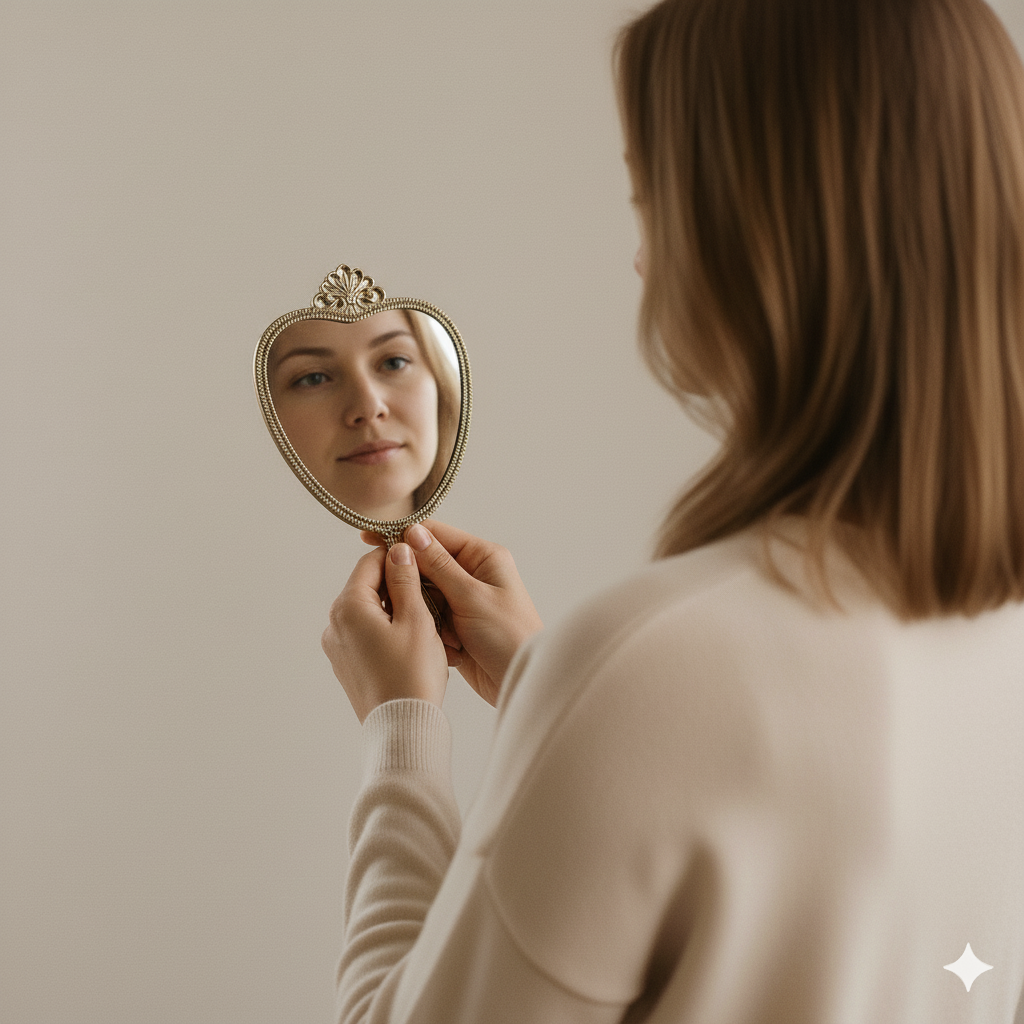
All you need is the courage to stop, look within yourself, and listen to your body.
Stages of Menopause
The duration of menopause-related symptoms varies widely.
While perimenopause typically spans five to ten years, some symptoms—like hot flushes—can last well into postmenopause.
Around 40% of women between the ages of 60 and 65 continue to experience vasomotor symptoms, with some lasting up to 20 years after menopause.
This transitional phase most often begins in a woman’s mid-to-late forties but can appear earlier — even in her thirties (7–10 years before menopause).
Hormone levels become unstable, and periods may turn irregular — unusually heavy, prolonged, or short.
Many women don’t realize this is perimenopause and instead attribute symptoms such as mood swings or anxiety to stress or the natural process of aging.
Menopause is officially diagnosed after 12 consecutive months without menstruation—assuming no other causes like pregnancy or contraception.
Technically, one is “menopausal” for a single day; the day after, she is considered postmenopausal.
The average age of menopause is 51, but it is normal for it to occur naturally anytime between the ages of 45 and 55.

This is a stage that lasts for the rest of a woman’s life.
While most unpleasant symptoms (such as hot flashes or sleep disturbances) tend to ease and typically last an average of 5–7 years, long-term hormonal changes affect the entire body.
Without proper care, the risk of cardiovascular disease, osteoporosis, urinary tract issues, and other health problems increases.
Roughly 1% of women experience menopause before the age of 40—a condition known as Premature Ovarian Insufficiency (POI).
Another 5% go through menopause between ages 40 and 45, referred to as early menopause. These can be emotionally and physically challenging diagnoses, especially for those hoping to conceive.
Prompt medical consultation is critical, particularly for advice on hormone replacement therapy (HRT) and fertility options.
Special Circumstances
Hormonal contraceptives like the Mirena™ coil or oral contraceptive pills may mask menstrual changes, making it difficult to determine menopausal status.
Monitoring symptoms becomes a key method of tracking progression.

Women who have had their uterus removed but retained their ovaries will no longer menstruate, but hormone production continues until natural menopause occurs.
The absence of periods makes the timing of menopause less clear, but treatment decisions are based on symptoms, not bleeding patterns.
It is important to note that for women who have undergone a hysterectomy, menopause tends to begin on average four years earlier due to disrupted blood flow to the ovaries.

Fertility begins to decline in a woman’s mid-30s and drops more steeply during perimenopause. However, contraception is still necessary into the late 40s, as pregnancy is possible until menopause is fully reached.
Contraception is no longer necessary if a woman is over 45 and has had no periods for at least two years, or over 50 with no periods for at least one year.
Blood tests can be useful for assessing a woman’s hormonal status in certain cases — for example, when premature or early menopause is suspected, or when investigating the cause of amenorrhea (absence of periods). In such situations, FSH, estradiol, LH, AMH, and sometimes androgens or other hormones are tested. However, during perimenopause, hormone levels fluctuate significantly, so one-off tests do not always reflect the true condition. For women over 45 with typical menopausal symptoms, diagnosis is usually based on clinical presentation, and blood tests rarely change the treatment plan. For women using hormonal contraception, blood tests are often difficult to interpret because natural hormonal activity is suppressed, so they are usually done at least 6–8 weeks after stopping contraception.
(You may also have heard of the DUTCH test, a urine-based hormone analysis sometimes used in functional medicine. However, there is currently insufficient scientific evidence supporting its diagnostic value, and it is not used in standard clinical practice.)
Modern women can expect to spend over 40% of their lives in the postmenopausal phase.
With proper attention to symptom management and long-term health, this stage of life offers new possibilities and a powerful chance to thrive.

Want your own personalized supplement basket?
Not sure which supplements are right for you? Answer a few questions.
By answering a few simple questions about your well-being and symptoms, you will receive a clear recommendation – a personalized supplement basket tailored to your needs.
Based on your answers, we will prepare individual recommendations: from specific products to smartly matched combinations, taking into account your menopausal stage and the sensations you are experiencing.